When temperatures drop in New Jersey, frozen pipes become one of the most common winter plumbing problems homeowners face. The good news is that most frozen pipe emergencies are preventable with a little planning. If you live in Union County, understanding where your plumbing is vulnerable and taking action before the cold sets in can save you from expensive repairs, water damage, and unnecessary stress.
Winter weather in this part of New Jersey can shift quickly. One mild week can make it easy to forget about your plumbing, only for a sudden freeze to create problems overnight. That is why effective winter plumbing prevention is less about reacting when something goes wrong and more about protecting your home before freezing temperatures arrive.
Why Pipes Freeze During Winter
Pipes freeze when the water inside them becomes cold enough to turn into ice. Since water expands as it freezes, pressure builds inside the pipe. That pressure can eventually cause the pipe to crack or burst, especially if there is nowhere for the expanding water to go.
This tends to happen most often in areas of the home that are not consistently heated. Basements, garages, crawl spaces, attics, and plumbing located along exterior walls are all common trouble spots. Older homes throughout Union County, including places like Cranford, Elizabeth, Westfield, and Scotch Plains, may be especially vulnerable because some were built before modern insulation standards became common.
Which Pipes Are Most Likely to Freeze?
Not every pipe in your home carries the same level of risk. Pipes exposed to cold air or poor insulation are much more likely to freeze than plumbing located safely within heated interior spaces.
The most vulnerable areas usually include:
- Outdoor hose bib connections
- Garage plumbing lines
- Basement pipes near exterior walls
- Kitchen sink plumbing along outside walls
- Attic water lines
- Crawl space plumbing
- Utility room connections for washers or sinks
If your home has experienced freezing issues before, those same areas should be your first concern each winter.
What Temperature Causes Pipes to Freeze?
This is one of the most common homeowner questions, and the answer depends on more than just the thermometer.
Can pipes freeze at 32 degrees?
Technically, water freezes at 32°F, but pipes do not usually freeze the moment outdoor temperatures hit that number. Most frozen pipe problems happen when temperatures remain below 20°F for several hours, especially when wind chill, poor insulation, or exposed plumbing are involved.
A well-insulated home may handle freezing weather without issue, while an older home with exposed pipes may experience problems much sooner. This is why winter plumbing prevention should begin before severe weather arrives rather than waiting until the coldest night of the season.
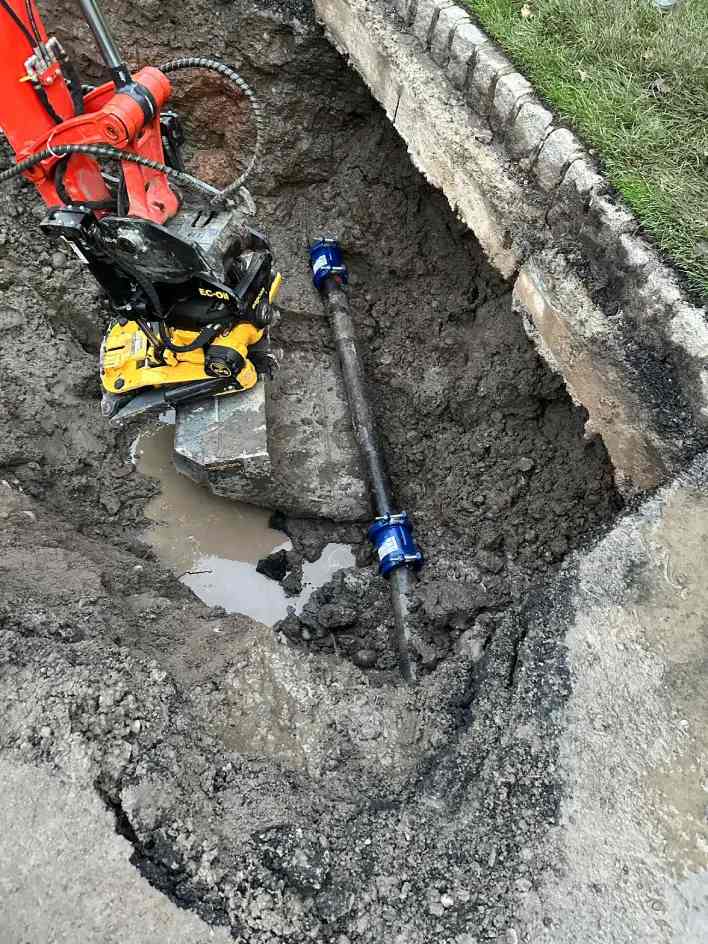
How to Prevent Frozen Pipes Before Winter Hits
Preventing frozen pipes is usually much simpler than dealing with the damage after one bursts. A few practical steps can significantly lower your risk.
Insulate Exposed Pipes
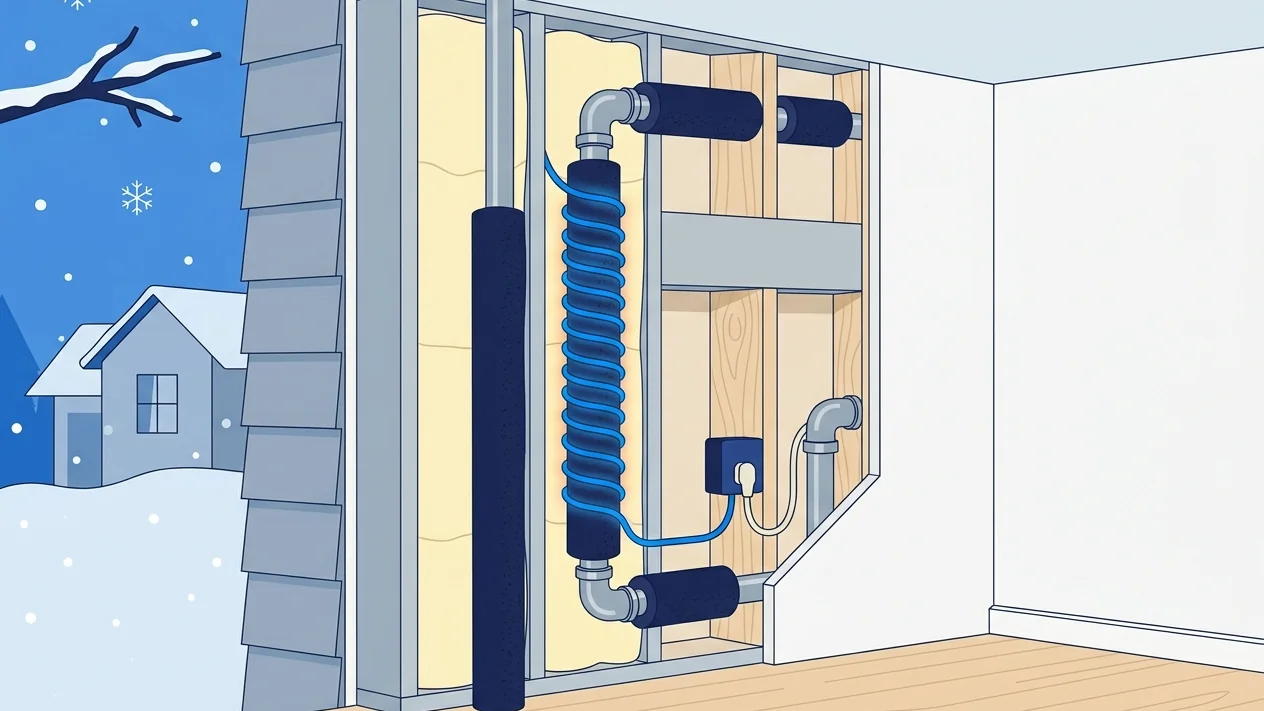
One of the easiest and most effective preventative measures is adding insulation to exposed plumbing. Foam pipe sleeves are inexpensive and can provide meaningful protection in colder areas of the home.
Focus on spaces like basements, garages, crawl spaces, attics, and utility rooms. Even simple insulation can help maintain sufficient warmth to reduce the risk of freezing.
Seal Cold Air Drafts
Even a well-insulated pipe can freeze if cold air is constantly moving around it. Small cracks, wall penetrations, and gaps near plumbing lines often let in more cold air than homeowners realize.
Check areas around:
- Utility pipe entry points
- Basement wall gaps
- Crawl space openings
- Exterior wall penetrations
- Gaps beneath cabinets near plumbing
Sealing these openings helps create a more stable environment for your pipes.
Disconnect Outdoor Hoses
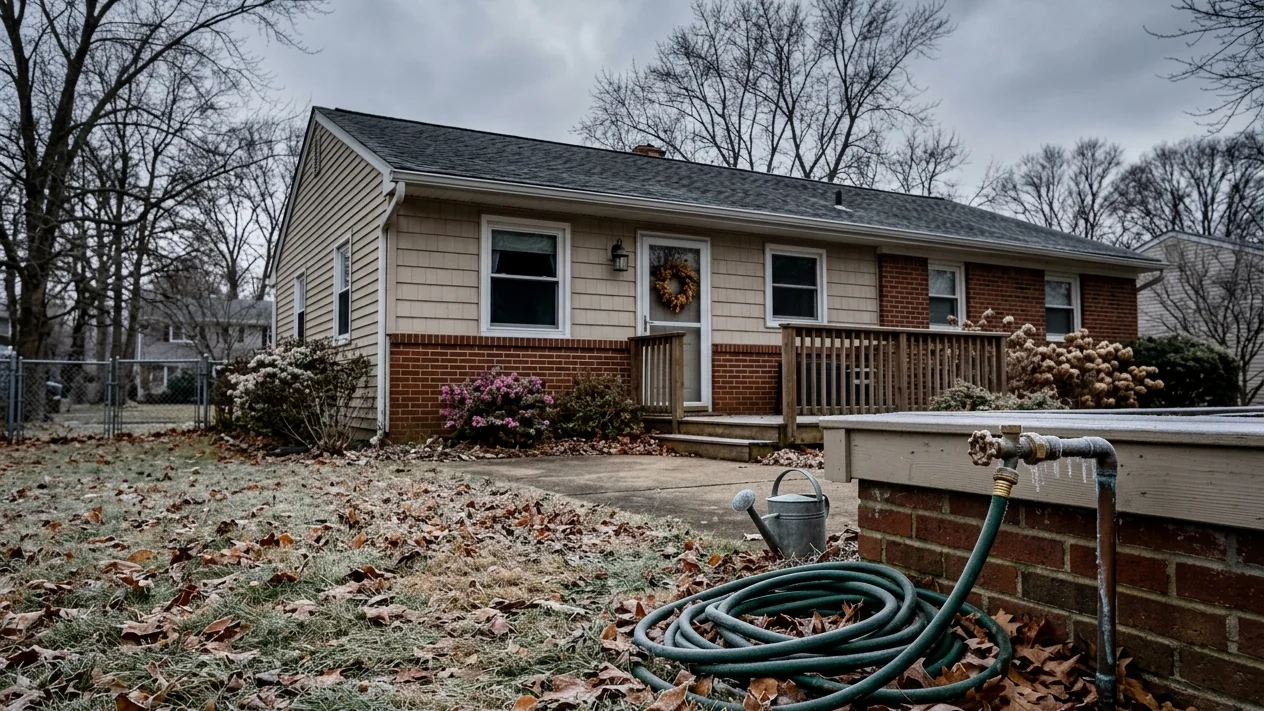
This simple step gets overlooked every year. Leaving a hose connected to an outdoor faucet can trap water in the line, increasing the likelihood of freezing inside both the hose and the connected plumbing.
Before winter temperatures arrive:
- Disconnect all hoses
- Drain outdoor faucets
- Shut off exterior water lines if possible
- Install insulated faucet covers
It takes just a few minutes and can prevent major repairs.
Should You Let Faucets Drip During a Freeze?
Many homeowners hear this advice but are unsure when it actually helps.
Does dripping water prevent frozen pipes?
Yes, in certain situations. Allowing a vulnerable faucet to drip slightly keeps water moving through the line, making it less likely to freeze solid. It also helps reduce pressure buildup if freezing begins.
This approach works best during extreme cold snaps and should be focused on plumbing known to be vulnerable, such as kitchen sinks along exterior walls or pipes with a history of freezing.
A slow drip can help, but it should not replace proper insulation and cold-weather preparation.
Keep Indoor Temperatures Consistent
A common mistake during winter is turning the heat too low to save money, especially when leaving home for the day or traveling.
While lowering your thermostat slightly is fine, letting indoor temperatures drop too far can pose serious plumbing risks. Pipes located behind walls or in less insulated spaces may freeze faster than you expect.
If you are leaving your home during freezing weather:
- Keep the thermostat at least 55°F
- Open cabinet doors under sinks
- Ask someone to check your property during long absences
- Consider shutting off the water if traveling for an extended period
A burst pipe while you are away can lead to severe water damage before anyone notices.
Signs a Pipe May Already Be Freezing
Frozen pipes do not always happen without warning. Recognizing the early signs can help you act before a full burst occurs.
Watch for:
- Reduced water pressure
- Frost forming on visible pipes
- Unusual pipe noises
- No water from a faucet
- Strange odors from drains
- Bulging or visibly stressed pipe sections
If you notice these symptoms during freezing weather, do not ignore them.
What to Do If a Pipe Freezes
If you suspect a pipe has frozen, it’s important to act carefully.
How do you safely thaw a frozen pipe?
Start by shutting off the water supply if you suspect the pipe may crack or burst. From there, apply gradual warmth using safe methods like a hair dryer, warm towels, or increased room heat.
Never use open flames, propane torches, or aggressive heating tools. These can damage plumbing materials and create serious fire risks.
If you cannot locate the frozen section or the pipe appears damaged, it is best to call for professional help before a small issue becomes a major flood.
Why Frozen Pipes Cause So Much Damage
The ice itself is not always the biggest issue. The real damage often occurs once the frozen section thaws and pressurized water escapes through a crack or burst.
That can lead to:
- Flooded floors
- Damaged drywall
- Mold growth
- Cabinet destruction
- Electrical hazards
- Insulation damage
- Costly emergency restoration
What starts as a frozen plumbing line can quickly turn into a major home repair project.
For homeowners dealing with frozen pipes in Union County, NJ, prevention is almost always the better investment.
Why Union County Homes Need Extra Winter Plumbing Attention
Union County includes a wide range of housing styles, from older single-family homes to townhomes and multi-family properties. Each type presents different plumbing challenges.
Older homes may have aging pipes hidden inside poorly insulated walls. Townhomes may have harder-to-access plumbing systems. Basement-heavy properties often have exposed piping vulnerable to winter temperatures.
That is why local homeowners should not assume general plumbing advice always applies equally to their specific home.
Frequently Asked Questions
How long does it take pipes to freeze?
This depends on pipe location, insulation quality, and outdoor temperatures. In severe cold, exposed pipes can begin freezing within a few hours.
Can frozen pipes burst immediately?
Sometimes, but often the damage becomes visible when the ice melts and water pressure returns to the weakened pipe.
Is insulation enough to prevent frozen pipes?
Insulation helps significantly, but it works best when paired with sealing drafts, retaining indoor heat, and protecting vulnerable plumbing.
Should I shut off my water if I leave town?
If you will be away during freezing weather for several days or longer, shutting off your water can reduce the risk of catastrophic damage.
Final Thoughts
Winter plumbing problems often seem sudden, but most frozen-pipe emergencies stem from predictable risks that can be addressed in advance. A little preparation before the coldest part of winter can make a major difference in protecting your home.
If you want to avoid the stress and expense of frozen pipes in Union County, NJ, proactive winter plumbing prevention is one of the smartest things you can do as a homeowner.