Plumbing emergencies never seem to happen at a convenient time. A pipe bursts before work, the toilet starts overflowing when guests are over, or your water heater suddenly decides to quit in the middle of a shower. When that happens, panic is understandable, but what you do in the first few minutes can make a major difference in limiting damage and protecting your home.
If you are dealing with emergency plumbing in Rahway, NJ, there are a few immediate steps you can take before calling for help. Some situations require urgent professional service right away, while others can be stabilized enough to prevent things from getting worse while you wait for a plumber to arrive.
What Counts as a Plumbing Emergency?
Not every plumbing issue qualifies as a true emergency, but some problems should never be ignored. The biggest deciding factor is whether the issue is actively causing damage, creating a health hazard, or making your home unsafe.
Common plumbing emergencies include:
- Burst pipes
- Overflowing toilets
- Sewer backups
- Major water leaks
- No running water
- Water heater leaks
- Gas line concerns involving plumbing equipment
- Frozen pipes that may burst
- Backed-up drains affecting multiple fixtures
A slow-draining sink may be frustrating, but a sewer backup pushing wastewater into your home is an entirely different situation.
First Step: Shut Off the Water if Needed
If water is actively leaking, overflowing, or flooding an area of your home, your first step should be to shut off the water supply.
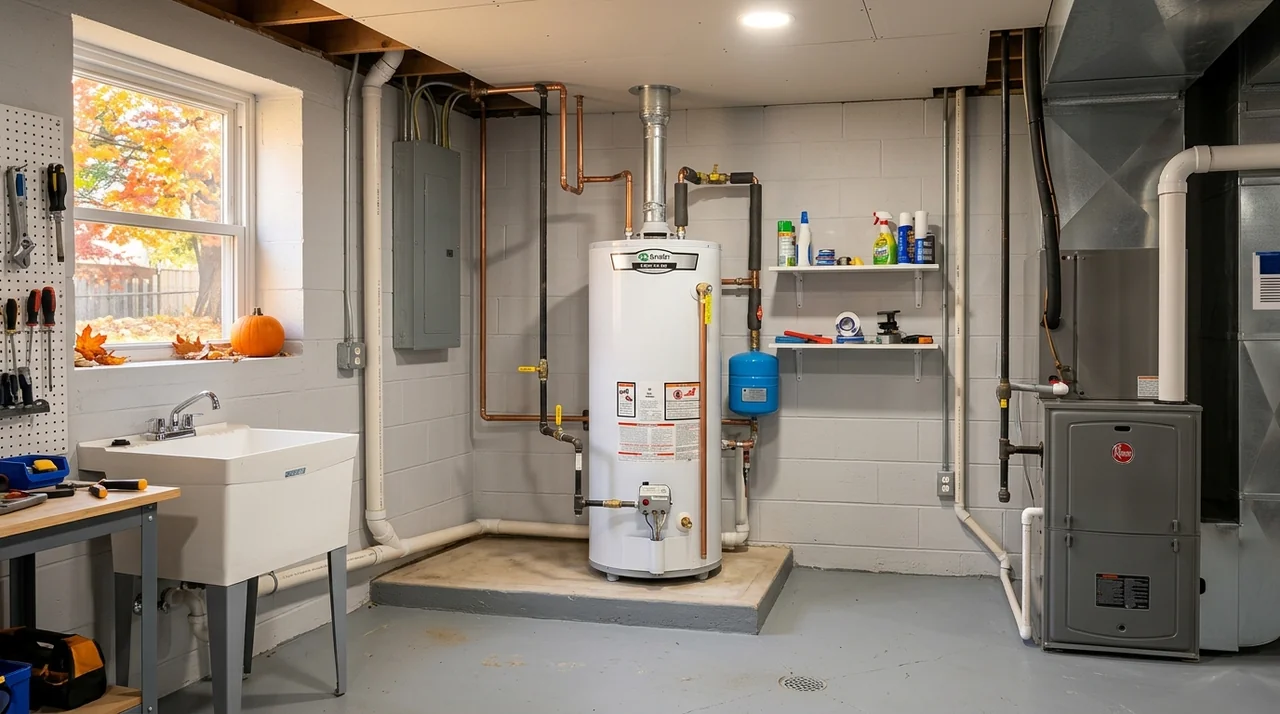
Many homeowners know where their thermostat is, but have no idea where the main water shutoff valve is located until there is a problem. In many Rahway homes, the shutoff is commonly found in the basement, utility area, crawl space, or near where the water line enters the house.
If the issue is isolated to one fixture, you may only need to shut off the local supply valve under the sink, behind the toilet, or near the appliance. If the source is unclear or water is spreading quickly, turning off the main supply is the safest move.
Stopping the water immediately can save thousands in damage.
What if the Toilet Is Overflowing?
This is one of the most stressful household plumbing problems because it becomes messy fast.
How do you stop a toilet from overflowing?
Start by removing the tank lid, then lift the float mechanism to stop water from continuing to fill the bowl. If that does not work, shut off the water valve behind the toilet immediately.
Avoid flushing again, even if it looks like the water is going down. That often makes the situation much worse.
If the overflow appears tied to a larger drainage problem or affects multiple fixtures, the issue may be deeper in your sewer line rather than a simple clog.
If a Pipe Bursts, Move Quickly
A burst pipe is one of the most damaging plumbing emergencies because even a short delay can allow water to soak flooring, drywall, furniture, and insulation.
Once the water is shut off:
- Move valuables away from the affected area
- Use towels or buckets to contain water
- Turn off the electricity nearby if water is approaching outlets or appliances
- Open faucets to help relieve remaining pressure in the lines
Do not assume a small crack is harmless. Even minor pipe damage can worsen rapidly once pressure returns.
What if You Have No Hot Water?
Losing hot water is inconvenient, but it is not always an emergency.
If your water heater stops working unexpectedly, first check whether the issue is something simple, like a tripped breaker, a pilot light issue, or a reset button problem. If the water heater is leaking, making unusual noises, or showing visible signs of damage, the situation becomes much more urgent.
A leaking water heater should be treated seriously because tank failure can release a significant amount of water quickly.
Sewer Backup Warning Signs
Few plumbing emergencies are worse than a sewer backup. These situations are not just unpleasant. They can also pose health hazards from wastewater exposure.
Common warning signs include:
- Multiple drains are backing up
- Toilets gurgling when sinks run
- Foul sewage odors
- Water appearing in tubs or floor drains unexpectedly
- Slow drainage throughout the home
If you notice several of these symptoms together, stop using water fixtures until the issue is assessed.
Should You Try DIY Emergency Plumbing Fixes?
Homeowners naturally want to solve problems quickly, especially when water is involved. Some minor temporary actions make sense, but emergency plumbing is rarely the time for aggressive DIY repairs.
Safe temporary actions include:
- Shutting off the water
- Using towels or buckets to contain leaks
- Clearing obvious minor drain obstructions if safe
- Turning off the water heater power if it is leaking
- Opening faucets after shutting off the supply
Avoid attempting repairs that involve pipe cutting, sewer disassembly, gas components, or anything requiring tools you are unfamiliar with.
Trying to save time can sometimes make the repair much more expensive.
When Should You Call an Emergency Plumber in Rahway, NJ?
Some plumbing problems can wait until business hours. Others should be handled immediately.
Call for urgent help if:
- Water is actively damaging your home
- Sewage is backing up indoors
- A pipe has burst
- You smell gas near plumbing equipment
- Water heater failure is causing leaks
- Multiple fixtures stop working at once
- You cannot stop the water flow
If you are unsure, it is always safer to describe the situation and let a professional determine urgency.
Common Rahway Plumbing Issues Homeowners Face
Rahway homes can experience plumbing problems tied to age, weather, and infrastructure. Older homes often have aging supply lines, worn drain systems, or outdated plumbing materials that become more vulnerable over time.
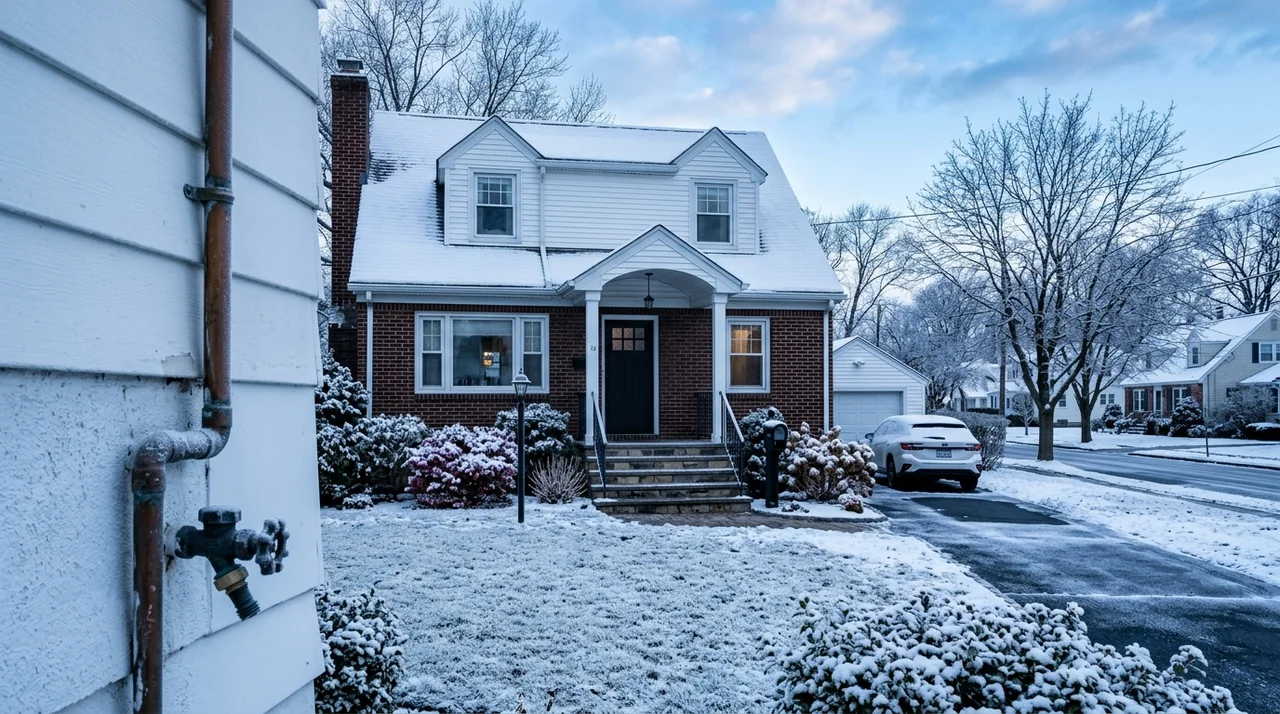
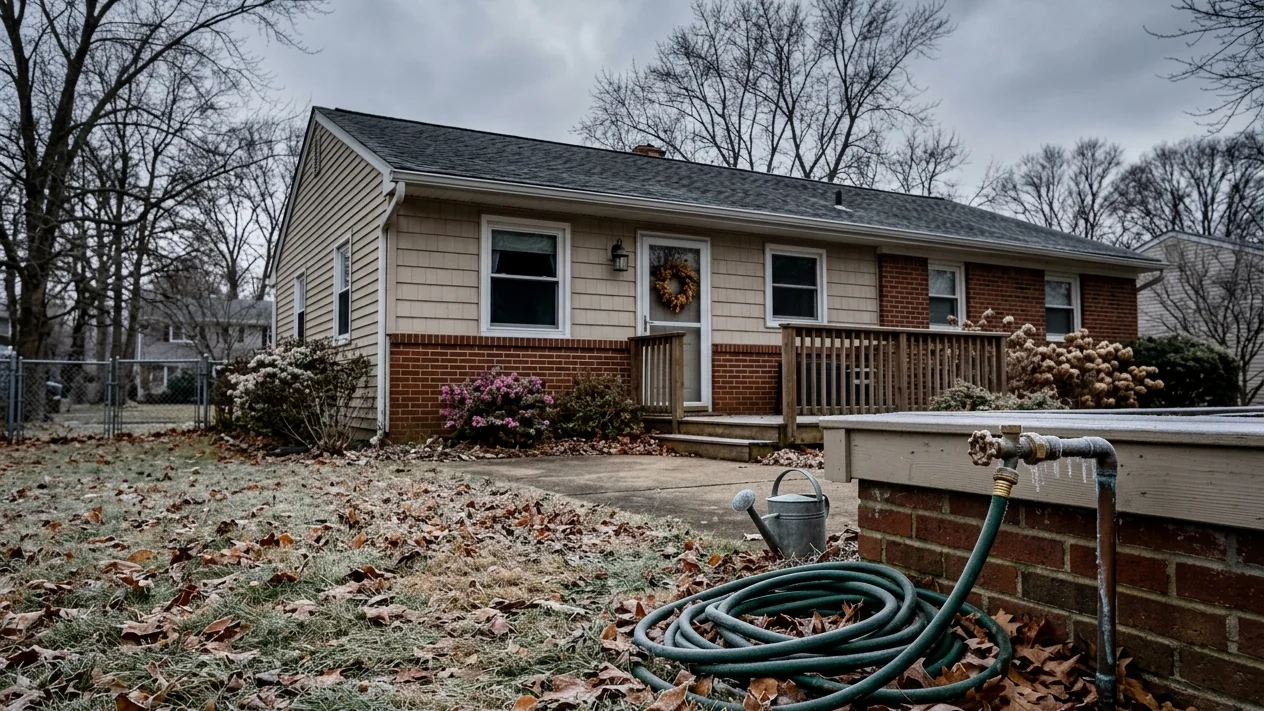
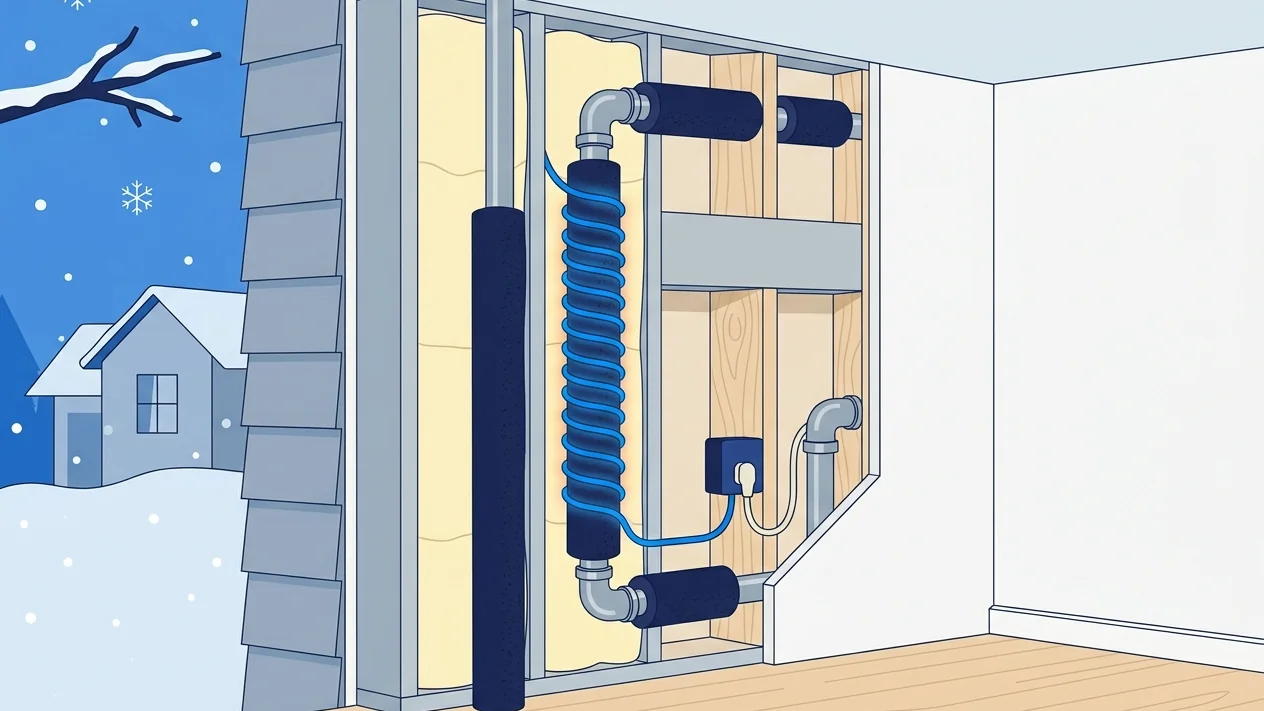
Seasonal weather also plays a role. Winter freezes can cause pipe stress, while heavy rain can contribute to drainage or sewer issues.
That local context matters because emergency plumbing is not always just random bad luck. Sometimes the problem reflects a known weakness in the home’s plumbing system.
What Information Should You Have Ready Before Calling?
When calling for emergency plumbing in Rahway, NJ, being prepared helps speed up the response.
Helpful details include:
- What happened
- When the issue started
- Whether water is still running
- Which fixtures are affected
- Any unusual smells or sounds
- Whether you shut off the water
- If sewage is involved
- If the problem has happened before
This helps the plumber understand the likely severity before arriving.
Frequently Asked Questions
Is a clogged drain considered a plumbing emergency?
Usually not, unless it causes overflow, affects multiple drains, or involves sewage backup.
Can I stay in my house during a plumbing emergency?
That depends on the issue. Minor leaks may be manageable, but sewage backups, major flooding, or gas-related concerns may require immediate action.
Should I shut off my water heater if there is a leak?
Yes, especially if the water heater itself appears to be the source. This helps prevent additional damage and protects the unit.
How fast should an emergency plumber respond?
Response times vary, but urgent active leaks or flooding situations typically receive priority service.
What should I avoid doing during a plumbing emergency?
Avoid repeated flushing, forcing clogged drains, attempting unsafe repairs, or ignoring signs of active water damage.
Final Thoughts
Plumbing emergencies are stressful, but the first few decisions you make can dramatically reduce damage and make the repair process smoother. Staying calm, shutting off water when necessary, and recognizing when a problem requires immediate professional help puts you in a much stronger position.If you ever face an emergency plumbing situation, acting quickly and calling the right emergency plumber in Rahway, NJ can help protect your home, reduce repair costs, and restore normalcy faster.