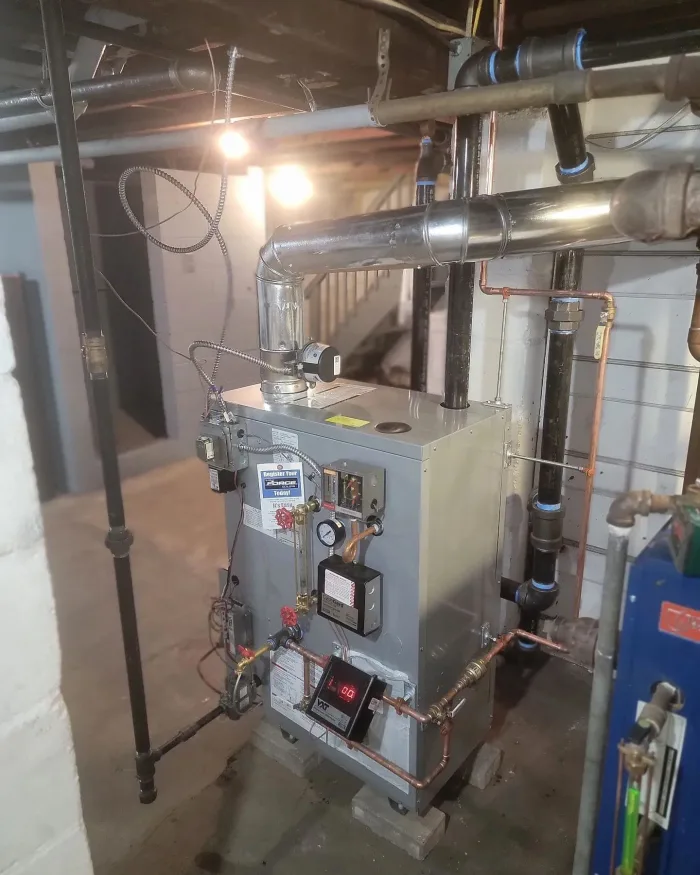
If you’re considering upgrading or replacing your home heating system, choosing the right boiler system for house is an excellent option for many homeowners. Modern residential boiler systems are known for their energy efficiency, durability, and ability to deliver consistent, even warmth throughout the home. Unlike forced-air systems that rely on ductwork, boilers distribute heat through hot water or steam, creating steady comfort without circulating dust or allergens. Whether you’re building a new home or upgrading an older unit, investing in a properly sized and professionally installed boiler system can improve efficiency, lower energy costs, and provide reliable performance for years to come. In this guide, we’ll explore the different types of boiler systems, help you choose the best solution for your needs, and walk you through installation and maintenance considerations.
Boiler Types
Boiler systems come in various types, each designed to cater to different needs and preferences. Here’s an overview of the most common boiler types:
- Combi Boilers: These compact units provide both space heating and hot water in a single appliance. Combi boilers are an excellent choice for homes with limited space and relatively low hot water demands. If you’re considering upgrading your heating system, a local expert in Cranford plumbing can help determine if a combi boiler is right for your home.
- Conventional Boilers: Also known as regular or traditional boilers, these systems comprise a separate hot water cylinder and cold water storage tank. They’re ideal for larger homes with higher hot water needs. A qualified plumber in Cranford, NJ can assist with installation and ongoing maintenance.
- System Boilers: Similar to conventional boilers, system boilers include an integrated hot water storage tank, simplifying installation and saving space. They work well for medium to large homes. Homeowners often turn to experienced plumbers in Cranford, NJ for advice on the best system boiler setup.
- Condensing Boilers: Condensing boilers are energy-efficient units that recover heat from exhaust gases. They’re known for their high efficiency and can be either combi or system boilers.
- Electric Boilers: These boilers use electricity to heat water and are suitable for homes without a gas supply. They are often compact and ideal for smaller properties.
What Are the Different Types of Boiler Systems?
When selecting a heating system, many homeowners ask what are the different types of boiler systems available. Common options include combi, conventional, system, and high-efficiency condensing boilers, each suited to different home sizes and hot water needs. If you plan to install a boiler heating system, following a trusted guide to choosing new boiler options can help you compare efficiency, fuel type, and sizing to ensure reliable, long-term performance. Here’s an overview of the most common systems:
-
Combi Boilers
Combi boilers are compact units that provide both space heating and hot water from a single appliance. These are perfect for homes where space is limited, making them ideal for small houses or apartments.
Conventional Boilers
Traditional, reliable, and powerful, conventional boilers include separate hot water cylinders and storage tanks. They’re ideal for larger homes with greater hot water demands.
System Boilers
Similar to conventional boilers, system boilers integrate the hot water storage tank into the unit itself, simplifying the installation process and saving space.
Condensing Boilers
Condensing boilers are designed to be highly energy-efficient by recovering heat from the exhaust gases. These systems offer great savings on heating bills and are available as both combi and system boilers.
Electric Boilers
Electric boilers are a good alternative for homes that don’t have access to gas. They work by using electricity to heat water, making them ideal for smaller homes or properties in rural areas.
Guide to Choosing a New Boiler System for Your Home
Choosing a new boiler system for your home requires careful consideration of factors like size, efficiency, and fuel type. This guide to choosing a new boiler will help you make the right decision based on your home’s heating and hot water needs.
1. Size and Heating Requirements
The size of the boiler should match your home’s heating needs. If your house is large or has multiple bathrooms, you may require a conventional or system boiler to meet higher hot water demands. A smaller home with less demand might benefit from a more compact combi boiler.
2. Hot Water Demand
Consider how much hot water your home uses. If you have a large family or frequently use hot water in multiple areas of your home at once, a system or conventional boiler is likely the best choice. Smaller households or apartments often do well with a combi boiler.
3. Efficiency and Fuel Type
Fuel availability is another key factor when choosing a boiler. Natural gas is typically the most cost-effective option, but homes without gas access may need to consider electric boilers. For those interested in long-term savings, condensing boilers are highly efficient and designed to lower energy bills.
Steps for Installing a Boiler Heating System
If you’re ready to install a boiler heating system, you’ll need to follow a few key steps to ensure the process goes smoothly. Installing a boiler is a complex task, so it’s crucial to hire a professional who can ensure your system is set up for optimal performance.
1. Initial Assessment
The first step is a detailed assessment of your home’s heating needs. A professional will evaluate factors like home size, insulation, and the number of radiators needed to ensure that the boiler you choose will meet your demands.
2. Choosing the Right Location
Once the assessment is complete, the technician will determine the best location for your new boiler. The location must comply with safety regulations and allow easy access for maintenance.
3. Removing the Old System
If you’re replacing an old boiler, it will be safely disconnected and removed before installing the new one.
4. Installing the New Boiler
The new system will be installed, connected to your existing heating setup, and properly calibrated to meet your home’s needs.
5. Testing and Commissioning
After installation, the system will be thoroughly tested to ensure everything is working properly. Once the system passes all tests, it’s officially commissioned, and you’ll be shown how to use and maintain it.
The Benefits of Residential Boiler Systems for Home Heating
Boiler systems offer numerous benefits for homeowners seeking a reliable and efficient heating solution. Here are a few reasons to consider residential boiler systems for your home heating:
-
Energy Efficiency: Modern boilers, especially condensing models, are designed to be highly energy-efficient, helping to lower your heating costs.
-
Durability: A well-maintained boiler can last 15-20 years, making it a solid long-term investment.
-
Consistent Heating: Boilers provide steady and even heat throughout your home, improving comfort and air quality.
-
Reduced Allergens: Since they don’t rely on air circulation, boilers don’t spread dust and allergens, making them a great option for allergy sufferers.
Common Mistakes to Avoid When Installing a Boiler System
When installing a boiler heating system, it’s easy to make mistakes that can affect the long-term performance of your system. Here are some common pitfalls to avoid:
1. Choosing the Wrong Size Boiler
It’s essential to select a boiler that matches the heating requirements of your home. A boiler that’s too small will struggle to provide adequate heat, while one that’s too large can waste energy.
2. Skipping Professional Installation
While some homeowners might consider DIY installation to save money, boiler installation is a complex job best left to professionals. Proper installation ensures that your system runs efficiently and safely.
3. Neglecting Regular Maintenance
To keep your boiler running smoothly, schedule regular maintenance and servicing. This will help extend the life of your system and ensure it operates at peak efficiency.
Local Example: Helping a Cranford Homeowner Save on Heating Costs
We recently helped a homeowner in Cranford, NJ, who was dealing with an outdated boiler system that wasn’t providing enough heat during the winter months. After assessing their needs, we recommended a high-efficiency condensing boiler. Since the installation, they’ve noticed a significant decrease in their energy bills and now enjoy a more comfortable home.
To Sum Up
Boiler systems are a reliable, efficient heating solution for many homeowners. Whether you’re interested in a combi, system, or conventional boiler, understanding the different types of systems and their benefits can help you make an informed decision. Following the steps in this guide to choosing a new boiler and ensuring proper installation and maintenance will ensure your home remains comfortable and energy-efficient for years to come.
Frequently Asked Questions:
1. What types of boiler systems are available for homes?
Common options include combi, conventional, system, condensing, and electric boilers, each designed for different home sizes and hot water needs.
2. How do I choose the right boiler system for my house?
Consider your home size, hot water usage, and fuel availability. Smaller homes often suit combi boilers, while larger households may need system or conventional boilers.
3. Are boiler systems energy efficient?
Yes. Modern and condensing boiler systems are highly energy-efficient and can help reduce heating costs while providing consistent warmth.
4. What’s involved in installing a boiler heating system?
Installation includes home assessment, choosing a safe location, removing the old unit, installing the new boiler, and testing. Professional installation is recommended.
5. What mistakes should I avoid when installing a boiler?
Avoid choosing the wrong size, skipping professional installation, and neglecting regular maintenance, as these can reduce efficiency and lifespan.
Other related blogs:
https://freedomplumbingnj.com/maximizing-boiler-efficiency-a-comprehensive-guide-to-maintenance-and-troubleshooting/
https://freedomplumbingnj.com/mastering-winter-a-comprehensive-guide-to-plumbing-and-heating-in-new-jersey/
https://freedomplumbingnj.com/tankless-water-heaters-vs-standard-water-heaters-a-comprehensive-comparison/