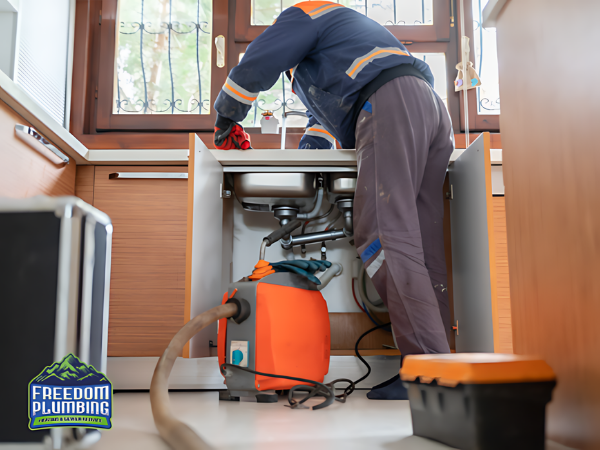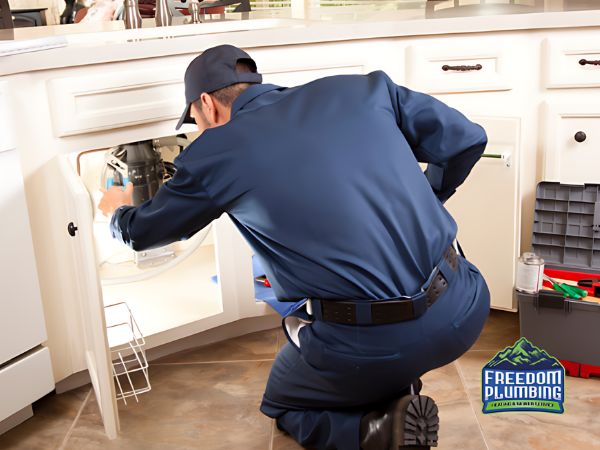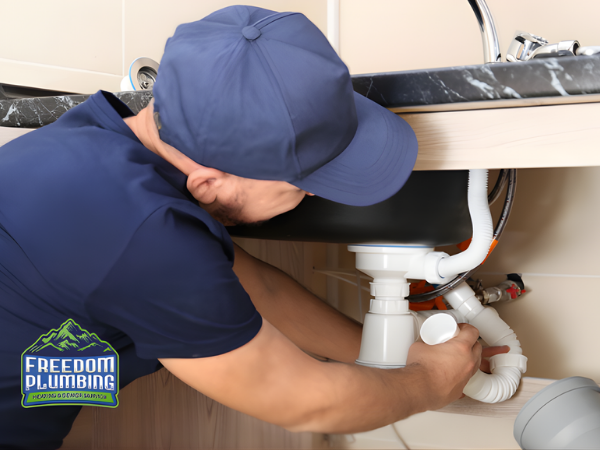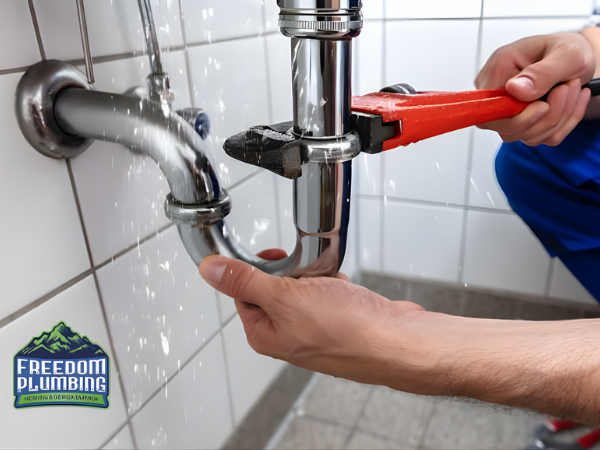
A plumbing problem is any issue within a home’s plumbing system that disrupts water flow, causes leaks, or leads to inefficient operation. Common plumbing problems, like clogged drains or leaky faucets, are easy to spot. However, some plumbing issues develop silently, causing significant damage to your home over time. These hidden plumbing problems may not be immediately visible but can lead to water damage, mold growth, and even structural damage if left unaddressed.
1. Hidden Leaks
Leaks are among the most common plumbing problems, but not all leaks are visible or easy to detect. Small leaks inside walls, ceilings, or under floors can go unnoticed for months or even years. Over time, even a small drip of water can cause significant damage, such as:
- Water Damage: Hidden leaks can soak drywall, insulation, and wooden beams, leading to structural damage. Water can weaken the foundation of your home and promote mold and mildew growth, both of which can affect the integrity of your home.
- Mold Growth: Damp, dark environments are ideal for mold and mildew to thrive. Mold can begin growing within 24-48 hours of water exposure, and it can spread rapidly, compromising your indoor air quality and potentially leading to health problems.
- Increased Water Bills: Even minor leaks can result in an increase in your water bills. If you notice a spike in your water usage without a corresponding reason, you might have a hidden leak.
To prevent these hidden leaks from causing extensive damage, it’s essential to regularly inspect your plumbing and check for any signs of water stains, musty smells, or unusual dampness around your home. If you suspect a hidden leak, it’s important to call a plumber near me to have it addressed.
2. Clogged Sewer Lines
Clogged sewer lines are often overlooked because they usually occur far from the home’s main plumbing system. However, a clogged or blocked sewer line can cause major problems that affect your entire plumbing system. Some common causes of sewer line blockages include:
- Tree Root Intrusion: Tree roots naturally seek out water, and they can invade your pipes through cracks or joints. Once inside, the roots can cause severe blockages, leading to sewage backups, unpleasant odors, and expensive repairs.
- Debris and Grease Build-Up: Over time, grease, oils, and non-biodegradable materials (such as wipes, diapers, or feminine hygiene products) can accumulate in sewer pipes, causing blockages and reducing the efficiency of your plumbing system.
- Corrosion: Older homes with outdated pipes are more prone to corrosion. Rust and mineral deposits can build up in your pipes, restricting water flow and causing them to deteriorate over time.
Ignoring sewer line issues can result in sewage backups, foul smells, and potential flooding inside your home. In addition to being unhygienic, these problems can lead to costly repairs and structural damage if not addressed quickly. If you notice any signs of clogs, such as slow drains or gurgling sounds, it’s essential to have your Woodbridge plumbing inspected by a professional.
3. Water Heater Sediment Build-Up
A water heater sediment build-up occurs when mineral deposits from hard water accumulate inside the tank.
-
Reduced Efficiency: Sediment build-up reduces your water heater’s efficiency, causing it to work harder and increase your energy bills.
-
Potential Leaks: Over time, sediment can weaken the tank, leading to leaks and water damage.
-
Discolored Water: Sediment can cause cloudy or discolored water, which is unappealing and unsafe to use.
Preventative Tip: Flushing your water heater once a year helps remove sediment build-up and keeps it functioning properly. Regular maintenance is key to ensuring that your water heater continues to function efficiently and safely. For expert help, consider reaching out to a plumber Woodbridge professional.
4. Poor Ventilation in Plumbing System
A poorly ventilated plumbing system causes fluctuating air pressure inside the pipes, leading to slow drainage and other plumbing issues.
-
Slow Drains: Without proper ventilation, water drains slowly or backs up in sinks and tubs.
-
Water Damage: Poor ventilation results in water pooling around drains, which can damage floors, walls, and ceilings.
-
Sewer Gas Leaks: Blocked vent pipes can cause sewer gases to back up into your home, creating unpleasant odors and health risks.
Solution: Regular plumbing inspections and vent cleaning can help prevent these problems and keep your system running smoothly. Venting issues are often hard to detect without professional help, so if you notice slow drainage or strange odors in your home, it’s time to call in plumbers Woodbridge NJ.
5. Corroded Pipes
Older homes, especially those with galvanized steel or cast iron pipes, may suffer from corroded pipes.
-
Leaks: Corroded pipes are more prone to cracks and leaks, leading to water damage.
-
Reduced Water Flow: The buildup of rust and mineral deposits clogs pipes, reducing water pressure throughout the home.
-
Water Contamination: Corrosion can introduce rust or lead into your water supply, posing a health risk.
How to Prevent Corroded Pipes: Regular inspections and prompt replacement of old pipes can prevent the costly damage caused by corrosion
How Freedom Plumbing Can Help
While plumbing problems may seem like small inconveniences, they can cause significant damage to your home if ignored. From hidden leaks to corroded pipes, it’s important to address plumbing issues promptly to avoid costly repairs and long-term damage.
At Freedom Plumbing, we offer a wide range of plumbing services to homeowners in Woodbridge, NJ, and the surrounding areas. Our experienced team is ready to tackle any plumbing problem, big or small, and provide you with the highest level of service and expertise. Whether you need help with leaks, clogged pipes, or water heater maintenance, we’ve got you covered.
Visit our website at Freedom Plumbing to learn more about our services or to schedule an appointment. Let us help you keep your home safe and functional with our professional plumbing solutions.
People Also Ask
Q1: How do I know if I have a hidden water leak in my home?
Look for signs like water stains on walls or ceilings, musty smells, or a sudden increase in your water bill. If you notice any of these signs, call a professional plumber to inspect your home.
Q2: Can tree roots cause sewer line blockages?
Yes, tree roots naturally seek water and can invade your pipes, causing blockages. Regular plumbing inspections can detect and address this issue before it becomes a problem.
Q3: How often should I flush my water heater?
It’s recommended to flush your water heater once a year to remove sediment buildup and ensure it operates efficiently.
Q4: What are the signs of poor plumbing ventilation?
Signs include slow drains, gurgling sounds, or strange odors around your drains. If you notice these symptoms, it may indicate a ventilation problem that needs professional attention.