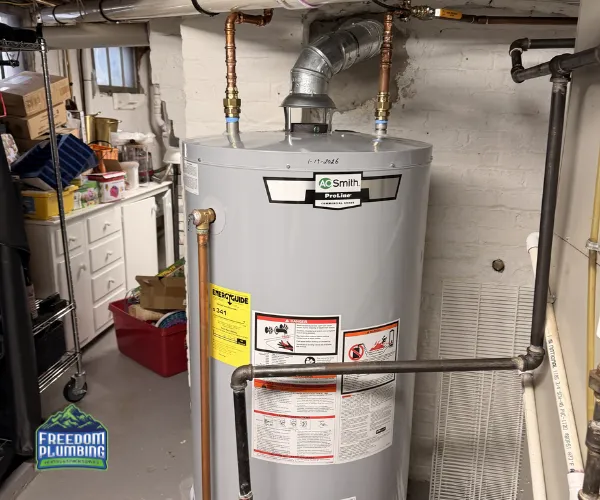
If your water heater produces inconsistent temperatures, strange noises, rusty or discolored water, or visible leaks, these are strong warning signs that something is not functioning properly. In some cases, the issue may be minor, such as a faulty thermostat, heating element, or valve, which can often be repaired to restore normal performance. These types of repairs are typically straightforward and can extend the life of your system when addressed early.
If your water heater is aging, showing corrosion, or needing frequent repairs, it may be nearing the end of its lifespan. In these cases, replacement is often the more reliable and cost-effective option, helping prevent breakdowns and improve efficiency.
Key Warning Signs Your Water Heater Is Failing
Water heaters rarely fail without warning, they usually show clear signs of trouble first. Recognizing these early indicators helps you avoid unexpected breakdowns, costly repairs, and potential water damage, and allows you to decide whether repair or replacement is the right solution.
Common warning signs include:
- Inconsistent hot water: If your water temperature fluctuates, runs out quickly, or takes longer than usual to heat, it may indicate issues with the heating element, thermostat, or sediment buildup affecting performance.
- Rusty or discolored water: Brown or rusty water coming from your taps is often a sign of corrosion inside the tank or a failing anode rod, both of which can lead to more serious internal damage if ignored.
- Unusual noises: Popping, banging, or rumbling sounds are commonly caused by sediment buildup at the bottom of the tank, which forces the system to work harder and reduces efficiency over time.
- Visible leaks: Any signs of water pooling around the unit or dripping from the tank are serious warnings. Even small leaks can indicate internal tank failure that usually requires full replacement.
- Reduced water pressure or flow: Mineral buildup inside the system can restrict flow and impact overall performance.
- Increased energy bills: A struggling water heater often uses more energy to maintain temperature, leading to higher utility costs without improved performance.
During a recent service involving a plumber in Westfield, NJ, inconsistent hot water was traced back to heavy sediment buildup that had gone unaddressed for years. This buildup not only reduced efficiency but also placed added strain on the system, highlighting how small issues can grow into major problems if left unchecked.
Repair vs Replacement: How to Decide
The decision to repair or replace your water heater depends on its overall condition, not just the immediate issue. While some problems can be fixed, multiple signs of wear and inefficiency often make replacement the more practical and cost-effective choice.
Key factors to evaluate include:
- Age of the unit:
Water heaters typically last between 8 and 12 years. Systems that fall within or exceed this range are more likely to experience recurring issues, reduced efficiency, and higher failure risk. At this stage, replacement is often the more reliable option. - Type of issue:
If the problem is limited to a replaceable component such as a thermostat, heating element, or valve, repair may be sufficient. However, if the tank itself is compromised, showing signs of corrosion or leaking, replacement is usually necessary since the tank cannot be safely repaired. - Frequency of repairs:
Occasional repairs are normal, but if you find yourself calling for service repeatedly, it’s a sign the system is deteriorating. Frequent breakdowns often indicate that multiple components are wearing out, making replacement a smarter long-term investment. - Efficiency and performance:
Older water heaters tend to lose efficiency over time, requiring more energy to produce the same amount of hot water. This can lead to inconsistent performance, longer recovery times, and higher utility bills. Newer systems are designed to operate more efficiently and reliably. - Overall system condition:
Sediment buildup, internal corrosion, and declining output are all signs that the system is aging and may not be worth repairing further.
Many homeowners exploring Westfield plumbing solutions find that choosing replacement over repeated repairs helps reduce long-term costs, improves system reliability, and eliminates the stress of ongoing plumbing issues.
Comparison Table: Repair vs Replacement
| Factor | Repair | Replacement |
| Upfront Cost | Lower | Higher |
| Long-Term Cost | Can increase over time | More predictable |
| Reliability | Short-term fix | Long-term solution |
| Efficiency | Often unchanged | Improved |
| Failure Risk | Higher | Lower |
Water Heater Components Explained
Understanding key components helps clarify what’s actually failing:
Thermostat – Controls temperature output
Heating Element – Generates heat inside the tank
Anode Rod – Prevents internal corrosion
Tank – Holds and insulates water
In one inspection in Westfield, NJ, replacing a worn anode rod restored water quality without requiring a full system replacement.
When Repairs Make Sense
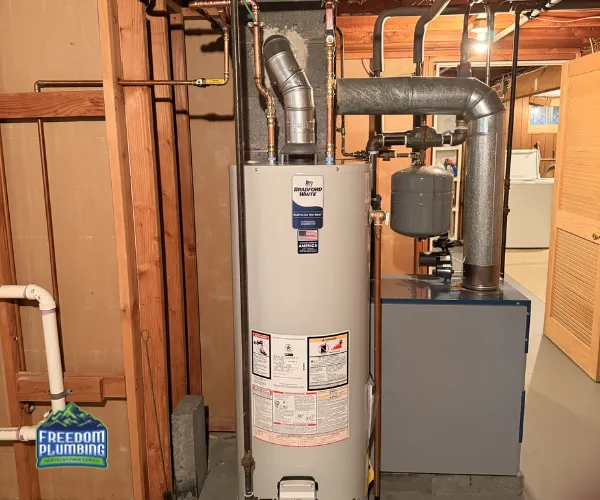
Repair is usually the better option when the unit is still relatively young and in good overall condition. If your water heater is under 8 years old, it’s often more practical to fix the specific issue rather than replace the entire system. In many cases, the problem is isolated to a single component, such as a thermostat, heating element, or valve, which can be repaired or replaced without affecting the rest of the unit.
Another key factor is the absence of corrosion or leaks. When the tank itself is still intact and there are no signs of structural failure, repairs can restore proper function and extend the life of the system. However, it’s important to have a professional evaluation to confirm this. A qualified plumber in Westfield can inspect the system thoroughly, determine whether the issue is truly minor, and help you decide if repair is the most effective and cost-efficient solution or if there are early signs of a larger failure developing.
When Replacement Is the Better Investment
Replacement is the smarter move when:
- The tank is leaking or rusted
- The system is nearing end-of-life
- Repairs are becoming frequent
- Performance is inconsistent
We’ve seen cases across Woodbridge, Cranford, and Edison where delaying replacement led to emergency failures and higher total costs.
Common Misconception About Water Heaters
Myth: Repair is always the cheaper option. Many homeowners assume that fixing an issue as it arises will save money, but that’s not always the case. Small repairs can add up over time, especially if your system is aging or experiencing recurring problems. In some situations, you may find yourself paying for multiple service calls, replacement parts, and temporary fixes without addressing the root cause of the issue.
Reality: Repeated repairs and declining efficiency can ultimately cost more than replacing the unit with a newer, more reliable system. Older water heaters often lose efficiency, require more frequent maintenance, and may fail without warning. While replacement has a higher upfront cost, it often provides better long-term value by reducing energy usage, minimizing future repair expenses, and ensuring consistency.
Applying Our Service Approach to Solve This
At Freedom Plumbing, our work is guided by a clear standard: reliable, efficient, compliant, comfortable, safe, and stress-free plumbing support, delivered with professionalism, expertise, and care.
Here’s how that applies to your water heater:
- Reliable: We identify the root issue, not just the symptom.
- Efficient: Fast diagnostics and solutions that minimize downtime.
- Compliant: Every repair or installation meets current safety codes.
- Comfortable: Consistent hot water you can depend on daily.
- Safe: We eliminate risks tied to leaks, pressure, or aging systems.
- 24/7 Support: Immediate help when failures happen unexpectedly.
- Dependable Repairs: No temporary fixes that lead to repeat problems.
- Trusted Expertise: Experienced technicians using proven methods.
- Satisfaction Guarantee: Clear recommendations with no pressure.
This approach helps homeowners in Westfield, NJ, make confident decisions without second-guessing.
Real-World Example: Repair vs Replacement Decision
A recent service call involving plumbers in Westfield, NJ, highlighted a common situation many homeowners face. The water heater was over 10 years old and showed multiple warning signs, including loud noises during operation, inconsistent heating, and reduced overall performance. During the inspection, our technicians identified internal wear along with early signs of corrosion developing inside the tank, issues that typically indicate the system is nearing the end of its lifespan.
Instead of recommending short-term repairs that would only temporarily mask the problem, the decision was made to move forward with a full replacement. This approach helped avoid the risk of sudden system failure, potential water damage, and repeated service calls. By installing a new, energy-efficient unit, the homeowner immediately regained reliable hot water while improving overall efficiency and long-term performance.
People Also Ask
How long does a water heater last?
Most units last 8-12 years, depending on maintenance and usage.
Should I replace my water heater before it fails?
Yes. Preventative replacement avoids water damage and emergency costs.
Is a leaking water heater repairable?
If the tank is leaking, replacement is typically required.
What causes sediment buildup?
Minerals in water settle over time, reducing efficiency and causing noise.
Are new water heaters more efficient?
Yes. Modern systems use less energy and provide more consistent performance.
Make the Right Decision Early
Water heater problems don’t fix themselves, and waiting usually makes things worse. Knowing when to repair versus replace helps you avoid unexpected breakdowns and unnecessary costs.
Freedom Plumbing is built on trust, clear communication, and dependable service. If you’re unsure about your system, we’ll give you a straightforward answer, no pressure, no upselling, just what’s best for your home.
For more information or to get started, visit our website!